
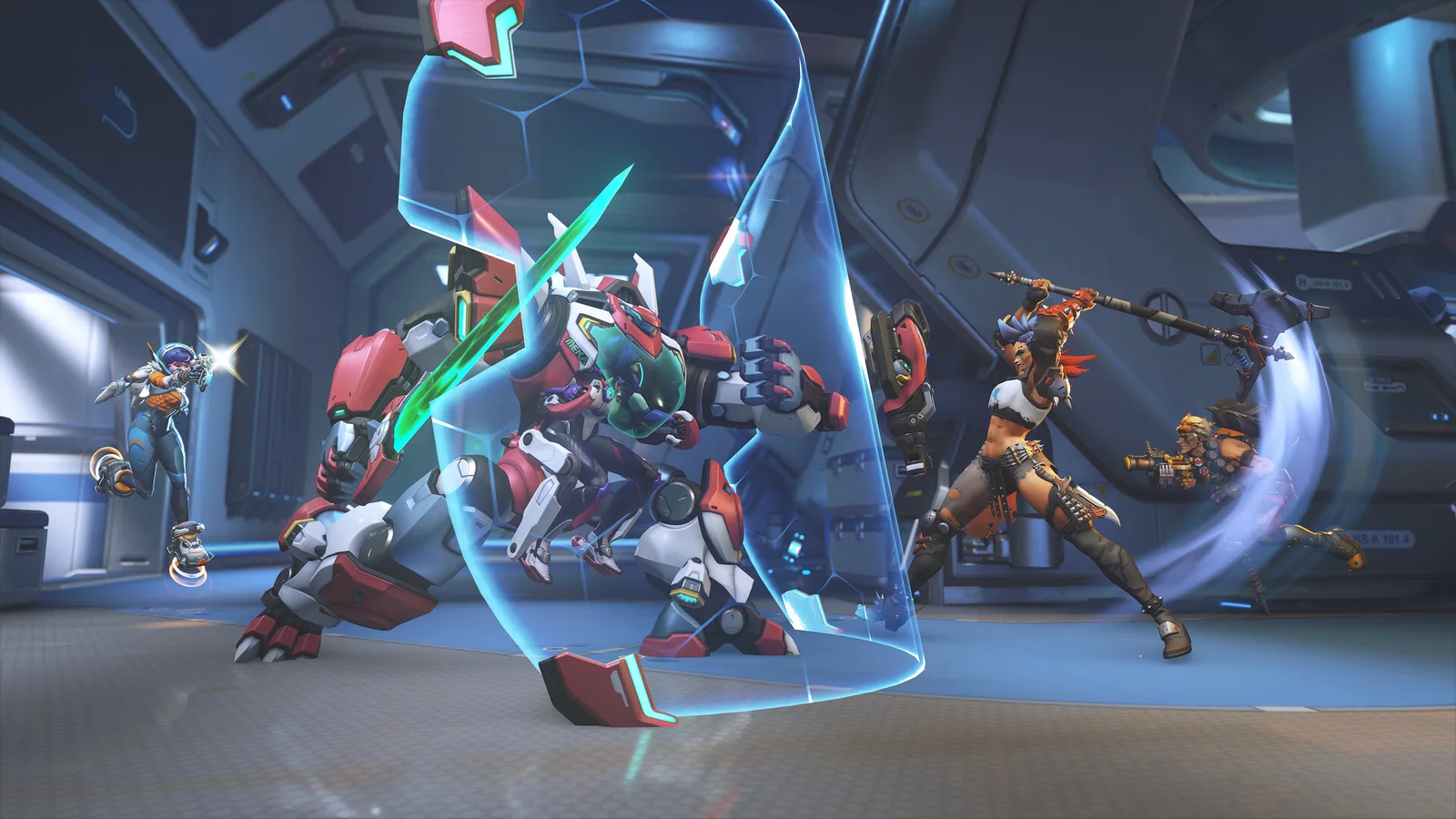
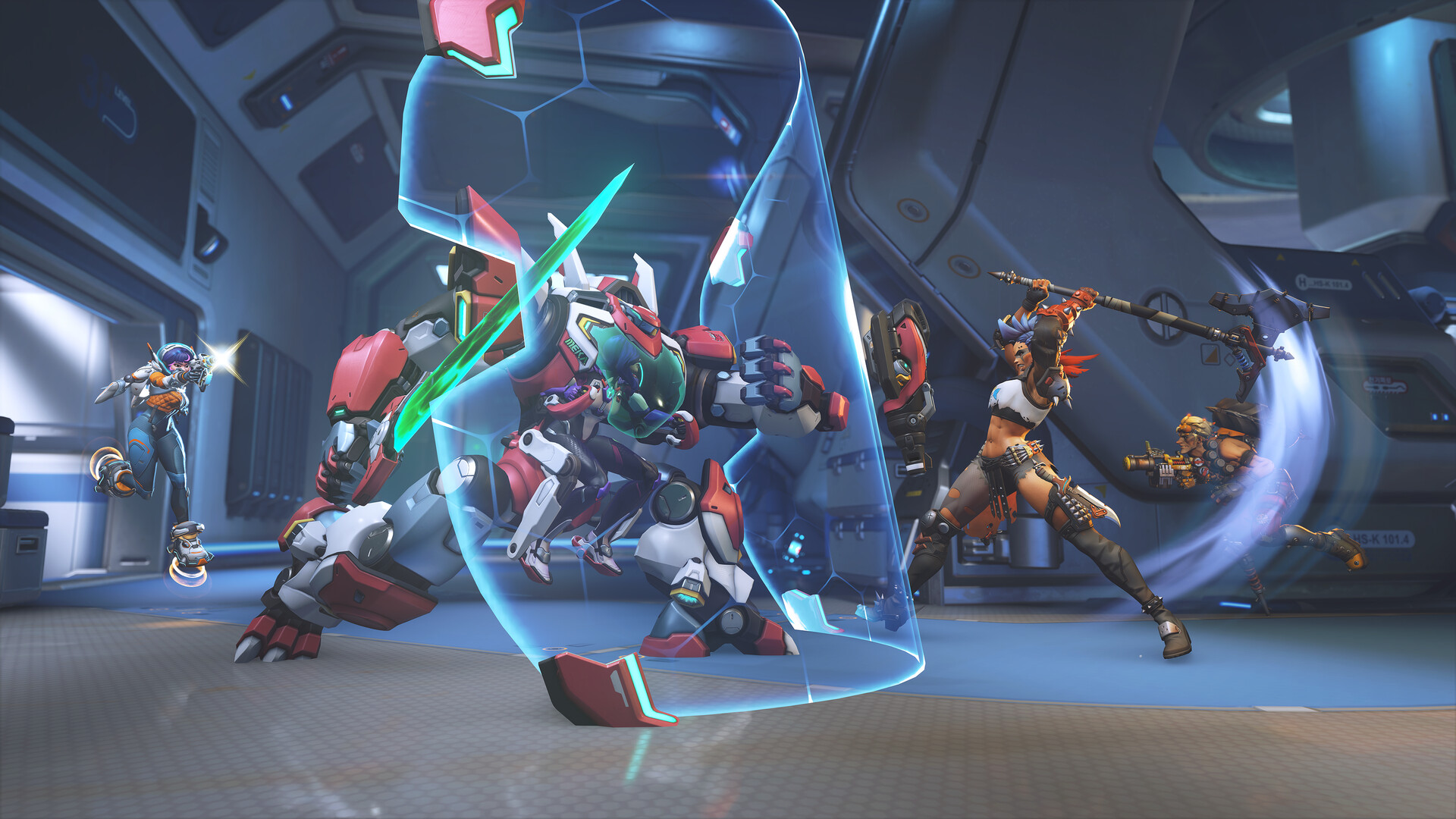
Overwatch’s official overview describes team-based action with hero abilities and multiple battle settings. Start by reading the active mode’s objective rather than judging the session only by an individual elimination total.[1]
Understand the distinction
The routine below is our editorial learning suggestion. It does not claim that every mode has the same player count, respawn rule, objective sequence or competitive ranking system.[1]
Suggested checklist
Limits and next steps
This is not a map-specific competitive strategy or a guarantee of a particular rank outcome.[1]
Continue with Overwatch hero practice: read a kit before copying a build.
Sources & verification
Facts last checked Oct 31, 2026. Checking a source does not change the page’s update date.
- Overwatch Blizzard Entertainment · official · Checked Oct 31, 2026
Official documentation; check publication context and any later revisions.
Original language: en - Overwatch — official Steam listing Blizzard Entertainment, Inc. / Valve · official · Checked Oct 31, 2026
Steam desktop listing checked through Valve’s public appdetails API. Platform and requirements fields describe this storefront edition, not every console release.
Original language: en
Page history
Published an original English source-linked explanation with scope limits and a suggested checklist.
A source and a little context help us keep this guide useful.